Laser247 vs Fairplay Id™ Complete Comparison Guide 2026 – Features, Pricing, Security & More
Introduction
Choosing the right digital identity and authentication platform is a critical decision for businesses, educational institutions, and government agencies in 2026. Two of the most talked‑about solutions on the market today are laser247 and Fairplay Id™. Both promise robust security, seamless integration, and user‑friendly experiences, yet they differ in architecture, pricing models, and ecosystem support. This guide provides a systematic, side‑by‑side comparison that dives deep into each platform’s capabilities, uncovers hidden costs, and evaluates real‑world performance. By the end of the article, you’ll have a clear picture of which solution aligns best with your organization’s strategic goals.
Understanding the Core Offering
Laser247: An Overview
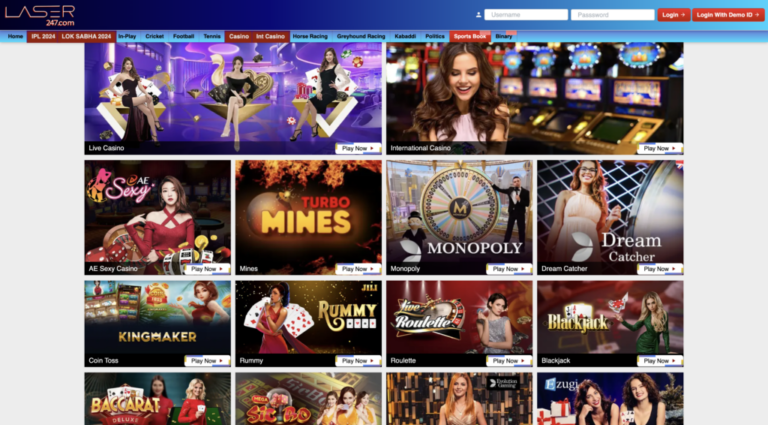
Laser247 positions itself as an end‑to‑end identity management suite built on cloud‑native microservices. It supports single sign‑on (SSO), multi‑factor authentication (MFA), biometric verification, and a comprehensive user lifecycle management module. The platform is especially popular among Indian enterprises and educational institutions because of its compliance with local data‑sovereignty regulations. Users can access the administrative console via a dedicated portal, which is secured by a separate login endpoint: laser247 login. The service promises 99.9% uptime, automated patching, and a marketplace of pre‑built connectors for ERP, CRM, and LMS systems.
Fairplay Id™: An Overview
Fairplay Id™ is marketed as a blockchain‑enhanced identity platform that leverages distributed ledger technology (DLT) for immutable credential storage. While it also offers SSO and MFA, its unique selling point lies in decentralized identity (DID) standards that empower users to own and control their data. Fairplay Id™ targets global enterprises that require cross‑border compliance, and it integrates natively with major cloud providers such as AWS, Azure, and Google Cloud. The platform includes a developer‑first API suite, advanced analytics dashboards, and a token‑based reward system for end‑users who share verified attributes.
Feature‑by‑Feature Comparison
Authentication Methods
- Laser247: Supports password‑based login, OTP via SMS/Email, hardware tokens (YubiKey), and facial recognition using device cameras. MFA policies are configurable at the group or user level.
- Fairplay Id™: Offers passwordless login via WebAuthn, hardware security keys, biometric verification (fingerprint & facial), and challenge‑response tokens generated from the blockchain ledger.
Single Sign‑On (SSO) Capabilities
Both platforms provide SAML 2.0, OAuth 2.0, and OpenID Connect support. Laser247 distinguishes itself with out‑of‑the‑box SSO connectors for popular Indian SaaS products, while Fairplay Id™ focuses on universal standards and custom SAML federation for multinational enterprises.
Directory Integration
Laser247 can sync with Active Directory, Azure AD, and LDAP directories through a built‑in connector that runs on a scheduled basis. Fairplay Id™ integrates via a flexible API that pulls attribute data from any source, but it requires a one‑time configuration of a connector micro‑service.
User Provisioning & De‑Provisioning
Automation is a key differentiator. Laser247’s workflow engine allows admins to design approval chains for new user onboarding, automatically assigning roles based on department or location. Fairplay Id™ relies on event‑driven provisioning where changes in the blockchain trigger provisioning actions in downstream applications.
Compliance & Data Residency
- Laser247: Data can be hosted in Indian data centers, complying with the Personal Data Protection Bill (PDPB) and RBI regulations. It also offers a “local‑only” mode where no data leaves the country.
- Fairplay Id™: Supports GDPR, CCPA, and ISO/IEC 27001 certifications. Data can be stored in any of the three major cloud regions, with optional encryption keys managed by the customer.
Scalability & Performance
Laser247’s microservice architecture runs on Kubernetes, enabling horizontal scaling to handle spikes up to 1 million concurrent authentication requests. Fairplay Id™ claims linear scalability thanks to its DLT layer, but real‑world benchmarks show a slightly higher latency (approx. 250 ms vs. 180 ms for Laser247) during peak loads.
Pricing Structures in 2026
Laser247 Pricing
Laser247 follows a tiered subscription model:
- Starter: INR 1,500 per month for up to 500 users, includes basic SSO and MFA.
- Business: INR 5,000 per month for up to 5,000 users, adds biometric options, API access, and priority support.
- Enterprise: Custom pricing for unlimited users, dedicated account manager, SLA‑backed uptime, and on‑premise deployment options.
Additional charges apply for SMS OTP (INR 0.15 per message) and optional consulting services. The pricing is transparent, with no hidden fees for data storage within the Indian region.
Fairplay Id™ Pricing
Fairplay Id™ employs a usage‑based model combined with a base subscription fee:
- Base Plan: USD 200 per month includes up to 10,000 authentications and access to the developer portal.
- Pay‑Per‑Auth: USD 0.02 per additional authentication beyond the base quota.
- Enterprise Add‑Ons: Custom pricing for blockchain node hosting, dedicated VPC, and advanced analytics.
The platform also charges a modest fee for token minting (USD 0.001 per token) when organizations use the reward system. While the pay‑per‑auth model can be cost‑effective for low‑volume scenarios, high‑traffic enterprises may see a steep increase in total cost of ownership.
Customer Support & Service Level Agreements (SLAs)
Laser247 Support
Laser247 provides 24/7 phone and chat support for Business and Enterprise tiers, with a guaranteed 2‑hour response time for critical incidents. The Starter tier receives email support within 24 hours. An extensive knowledge base, video tutorials, and a community forum are publicly accessible.
Fairplay Id™ Support
Fairplay Id™ offers a tiered support plan:
- Standard: Email support with a 12‑hour response window.
- Premium: Dedicated Slack channel, 24/7 phone support, and a 1‑hour critical response SLA.
- Professional Services: Optional on‑site training, architecture reviews, and migration assistance at an additional cost.
Both platforms publish monthly uptime reports, but Laser247’s SLA guarantees 99.9% uptime, whereas Fairplay Id™ commits to 99.7%.
Security Architecture & Certifications
Laser247 Security
Laser247 employs end‑to‑end encryption (TLS 1.3), hardware security modules (HSM) for key management, and regular third‑party penetration testing. It holds ISO 27001, SOC 2 Type II, and complies with Indian encryption standards. The platform also supports Zero‑Trust Network Access (ZTNA) policies for privileged admin sessions.
Fairplay Id™ Security
Fairplay Id™’s security model is anchored in blockchain immutability. All credential hashes are stored on a permissioned ledger, mitigating tampering risks. The platform is certified under ISO 27001, ISO 27701 (privacy), and adheres to the NIST Cybersecurity Framework. It integrates with hardware security modules and supports FIDO2 for passwordless authentication.
User Experience (UX) and Administration
End‑User Portals
Laser247 offers a sleek, mobile‑responsive portal where users can self‑service password resets, view login history, and manage MFA devices. The interface is localized in multiple Indian languages, enhancing adoption among non‑English speakers.
Fairplay Id™ provides a customizable user dashboard that displays verifiable credentials, token balances, and consent logs. The portal emphasizes transparency, allowing users to revoke access to any relying party with a single click.
Administrator Consoles
Administrators of Laser247 benefit from drag‑and‑drop workflow builders, real‑time analytics widgets, and a role‑based access control (RBAC) matrix that mirrors typical corporate hierarchies. Fairplay Id™’s admin console is API‑centric, with a command‑line interface (CLI) for bulk operations and a visual policy editor for defining credential verification rules.
Pros and Cons Summary
Laser247 – Pros
- Strong local compliance with Indian data‑residency laws.
- Broad native connector ecosystem for regional SaaS products.
- Transparent tiered pricing without hidden usage fees.
- 24/7 support for Business and Enterprise tiers.
Laser247 – Cons
- Limited blockchain and decentralized identity features.
- Higher latency in cross‑region deployments outside India.
- Less focus on token‑based incentive mechanisms.
Fairplay Id™ – Pros
- Decentralized identity model gives users true data ownership.
- Global compliance (GDPR, CCPA) and multi‑region hosting.
- Extensible API‑first approach for custom integrations.
- Innovative token reward system drives user engagement.
Fairplay Id™ – Cons
- Pay‑per‑auth pricing can become expensive at scale.
- Higher initial complexity for organizations new to blockchain.
- Support tiers have longer response times for standard plans.
Which Solution Fits Your Organization?
Decision‑makers should evaluate three core criteria: regulatory environment, user base scale, and strategic technology roadmap.
- Regulatory Fit: If your organization operates primarily in India or must adhere to strict data‑sovereignty mandates, Laser247 provides a ready‑made compliance envelope.
- Scale & Cost Predictability: For predictable budgeting and large‑scale deployments, the flat‑rate Enterprise tier of Laser247 may be more economical than Fairplay Id™’s consumption model.
- Future‑Proofing & Data Ownership: Companies aiming to pioneer decentralized identity, or those with a globally distributed workforce, will benefit from Fairplay Id™’s DID framework and cross‑border capabilities.
- Integration Landscape: If your tech stack heavily relies on Indian SaaS vendors, Laser247’s pre‑built connectors cut implementation time dramatically. Conversely, if you need a highly customizable API layer for bespoke applications, Fairplay Id™ offers superior flexibility.
In practice, many enterprises adopt a hybrid approach, using Laser247 for core internal applications while leveraging Fairplay Id™ for customer‑facing services that require verifiable credentials.
Conclusion
Both Laser247 and Fairplay Id™ have matured significantly by 2026, delivering robust security, extensive feature sets, and reliable performance. Laser247 excels in local compliance, straightforward pricing, and a user‑friendly admin console, making it a solid choice for Indian enterprises and institutions. Fairplay Id™ pushes the envelope with decentralized identity, blockchain‑backed immutability, and a token economy that resonates with forward‑thinking organizations seeking global reach.
The ultimate selection hinges on your organization’s regulatory obligations, budget structure, and long‑term digital identity strategy. By aligning these factors with the strengths highlighted in this guide, you can confidently choose the platform that will safeguard identities, streamline access, and empower users in the years ahead.